
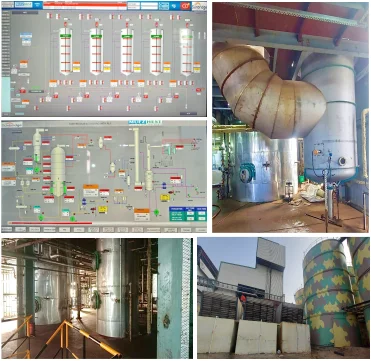
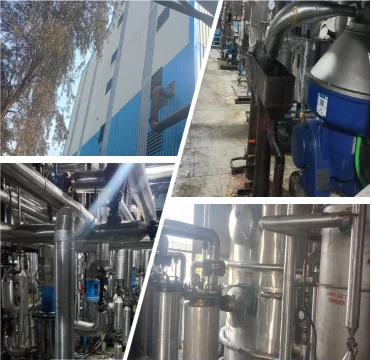
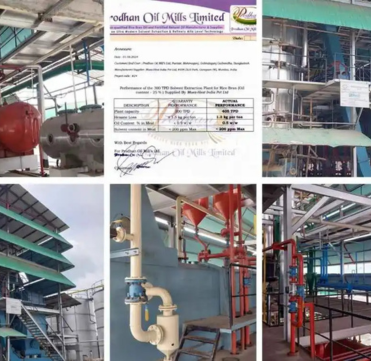
One-Stop Solution For all Types of Oil Manufacturing Plant Needs
Muez Hest India Pvt. Ltd is one of the best Global Oil Refinery Plant Manufacturers, Suppliers & Exporters based in India. We are into manufacturing of customized plant & machinery, turnkey projects for Oil & Fats Industry. The projects offered by Muez Hest include Solvent Extraction Plant, Oil Processing Plant, projects for value addition, Edible Oil Refinery Plant and refinery plant manufacturers in India. In our 30+ years of existence, the company is reckoned as one of the most trusted manufacturer & supplier of Oil Refinery Plant not just in India, but globally.
ISO-CERTIFIED & DSIR-APPROVED GLOBAL ENGINEERING
Our Turnkey Plant Manufacturing
& Engineering Facilities
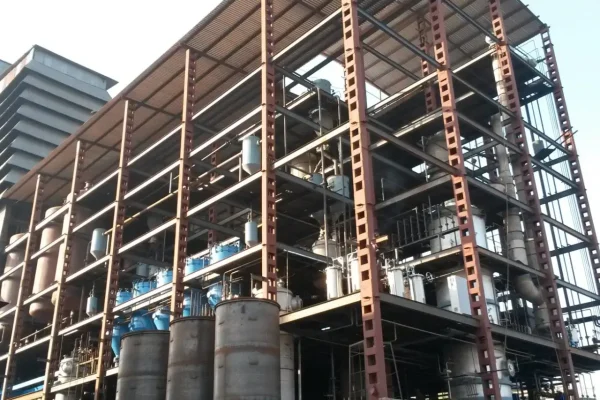
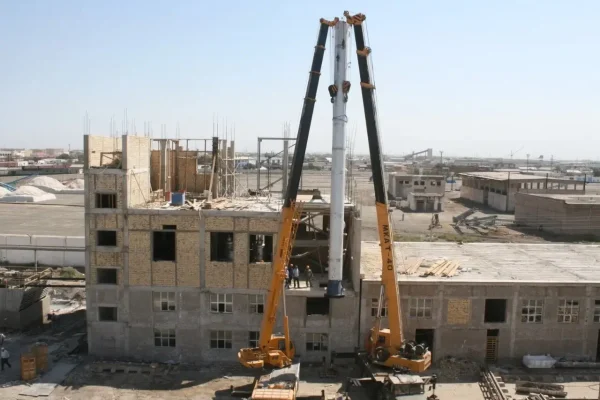
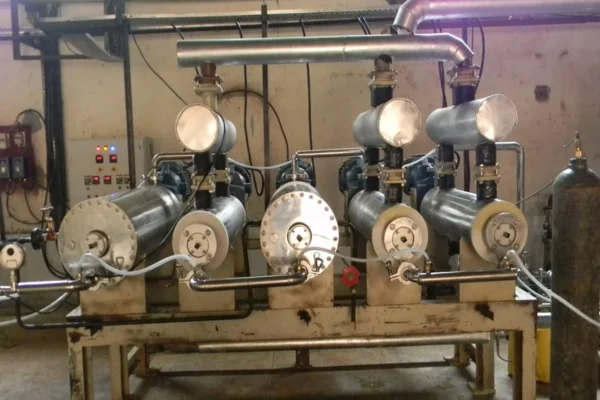
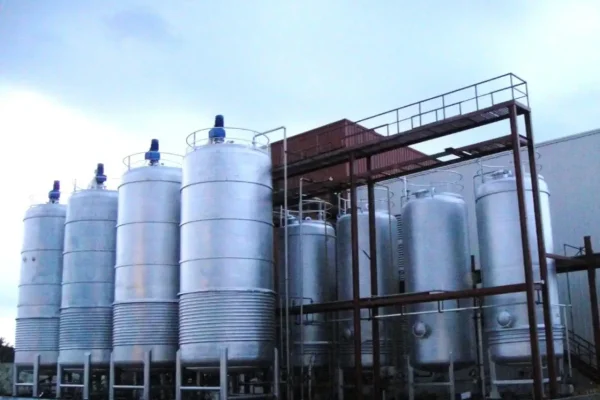
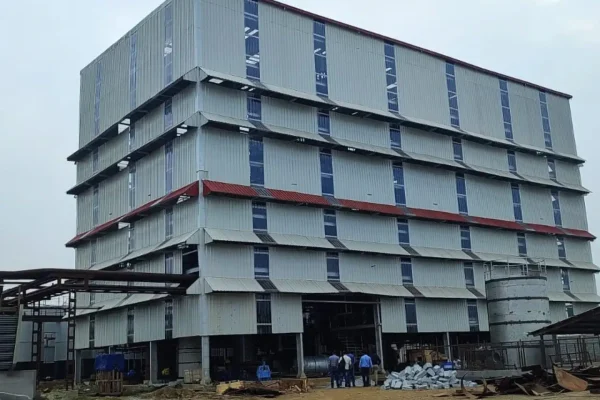
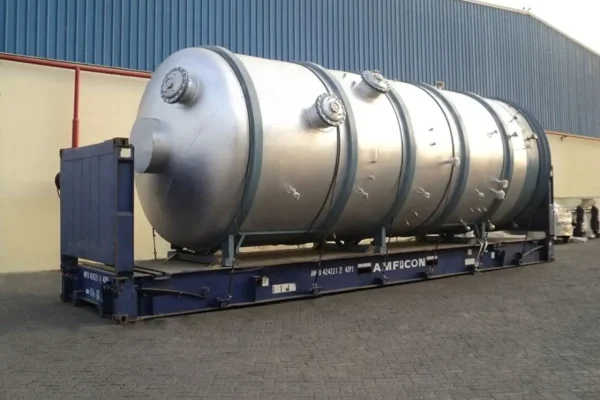
Muez Hest operates ISO-certified and DSIR-approved manufacturing facilities to deliver turnkey plants for extraction, edible oil refining, oleochemicals, and biodiesel. We design, fabricate and commission high-efficiency processing plants that meet strict international quality and safety standards across global markets.

Why Businesses Trust Muez Hest for World-Class Oil Manufacturing Plants Setups
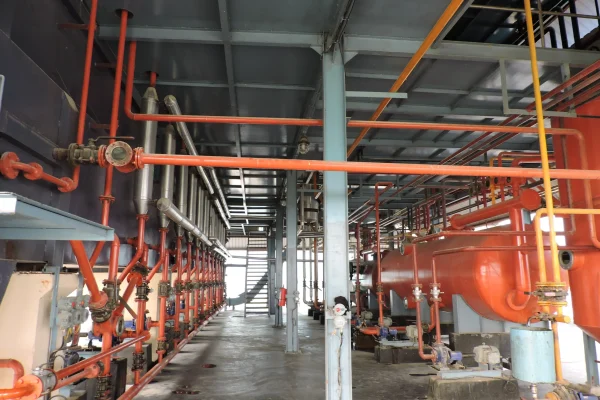
At our cutting-edge oil manufacturing plant, we stand as a shining example among oil processing plant manufacturers. With a steadfast commitment to quality, we employ state-of-the-art technology and industry expertise to produce oils of unparalleled excellence. As a customer-centric entity, our dedication to meeting your unique requirements is matched only by our unwavering emphasis on environmental responsibility and safety. Holding true to our legacy of innovation, we’ve garnered a proven track record that echoes the trust of global clients. When you choose our oil manufacturing plant, you’re not just selecting a product; you’re choosing a partnership rooted in quality, innovation and reliability setting us apart as leaders in the field of oil processing.
Process of oil manufacturing
The oil manufacturing process takes place in a specialized oil manufacturing plant, involving a series of precise steps to produce various types of oils, including edible oils, industrial oils, and biofuels. While the process may vary depending on the specific oil being produced, the following is a general overview of the typical oil manufacturing process in a plant:
-
Step 1
Seed Preparation
In the oil manufacturing plant, the process begins with the thorough cleaning, de-hulling, and pre-conditioning of seeds. This preparation ensures that the seeds are free from impurities and optimally prepared for efficient oil extraction.
-
Step 2
Oil Extraction
The oil extraction stage employs various methods such as mechanical pressing, solvent extraction, and cold pressing. Mechanically, the seeds are crushed to release the oil content. Alternatively, solvent extraction employs a solvent like hexane to dissolve the oil from the seeds. Cold pressing involves the use of hydraulic presses that avoid high heat, preserving the oil's intrinsic flavors and nutrients.
-
Step 3
Oil Refining
Extracted crude oil from the previous stage undergoes refining to eliminate impurities like free fatty acids, phospholipids, pigments, and odorous compounds. This critical oil refining process incorporates several stages such as degumming, neutralization, bleaching, and deodorization to enhance the oil's purity and quality.
-
Step 4
Optional Fractionation
Depending on the desired characteristics, the oil may undergo an optional fractionation process. This step is employed to segregate specific components, such as distinct types of fatty acids, resulting in specialty oils with unique properties.
-
Step 5
Packaging and Distribution
Following refining and potential fractionation, the oil is meticulously filtered, packaged into suitable containers such as bottles, cans, or drums, and then labeled for subsequent distribution to consumers or industrial clients. In the case of industrial oils, the manufacturing process may encompass supplementary steps like hydroprocessing, dewaxing, and extra refining phases. These additional stages are tailored to meet the specialized requirements of industrial applications. It's important to recognize that the specifics of the oil manufacturing process can diverge based on factors such as the oil type, plant capacity, and technological innovations. Furthermore, the growing emphasis on sustainability and environmental concerns is driving the advancement of eco-friendly and highly efficient oil manufacturing processes within these plants.
Get A Quote to discuss
your manufacturing requirements

Turnkey Solutions
Global Installation
Trusted worldwide, Muez Hest provides end-to-end turnkey solutions delivering fully operational plants from design to delivery.
450+
Projects
Completed
250+
Satisfied Clients Worldwide
30+
Years of
Experience
75+
Qualified
Specialists
We worked with Global clients












Turnkey Projects Delivered Across the Globe
our blogs
Recent News & Articles
Loading blogs...
Read More
➤ Muez Hest: Leading the Way in Global Oil Refinery and Manufacturing Solutions
Trusted Global Oil Refinery Plant Manufacturers – Muez Hest
Muez Hest is a global leader in the field of oil refinery plant manufacturing, providing comprehensive, turnkey solutions for businesses across the edible oil and oleochemical industries. Headquartered in India, we offer cutting-edge plant setups and engineering solutions to clients worldwide, making us one of the most reliable names in the industry.
With over four decades of experience, Muez Hest has earned its reputation as a trusted oil manufacturing plant partner in India, delivering high-quality, energy-efficient, and fully customized refinery plants to meet diverse industrial needs.
Complete Turnkey Solutions for Oil Refinery Plant Setup in India & Global
At Muez Hest, we specialize in the complete lifecycle of refinery setup—from consultation and feasibility study to design, manufacturing, installation, and ongoing support. Whether you’re looking to set up a new oil refinery plant in India or expand your operations globally, our team delivers world-class solutions that ensure operational success.
We work closely with businesses to understand their specific needs, offering fully integrated turnkey projects that include:
- > Engineering & layout design
- > Civil construction assistance
- > Machinery manufacturing & supply
- > Installation, commissioning & training
- > Post-installation technical support
Our solutions are designed to offer maximum efficiency, low operational costs, and high product yield, making us a preferred choice for oil refinery plant setup in both domestic and international markets.
Advanced Technology in Oil Refinery Plant Manufacturing
What sets Muez Hest apart from other oil refinery plant manufacturers is our focus on innovation and efficiency. Our plants are designed using state-of-the-art automation, precise process control systems, and energy-saving technologies.
We integrate advanced engineering into every component of your plant from degumming, neutralizing, bleaching, dewaxing, and deodorizing processes, all the way to final packaging. Our R&D-driven approach ensures that your refinery is not only cost-effective but also compliant with the latest environmental and quality standards.
We build future-ready oil manufacturing plants that help clients:
- > Reduce energy consumption
- > Minimize operational waste
- > Maximize product quality and yield
- > Stay competitive in fast-evolving markets
Expertise Across Edible Oil & Oleochemical Industries
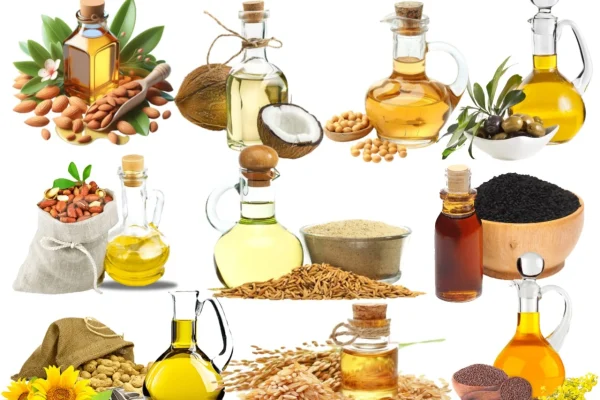
Whether you're processing palm, soybean, sunflower, mustard, cottonseed, or rice bran oil, Muez Hest offers tailor-made plant designs to suit your raw material input and final output expectations.
In addition to edible oils, we serve clients in the oleochemical sector, offering efficient refinery systems for specialty fats and chemical derivatives. Our oil manufacturing plant manufacturers ensure that each project aligns with your operational goals while adhering to global regulatory and environmental norms.
Comprehensive Oil Manufacturing Solutions – Beyond Refining
Muez Hest is more than just an oil refinery plant provider. We offer end-to-end oil manufacturing plant solutions—from raw material processing to refined product output.
Our capabilities include:
1. Solvent Extraction Plants for oilseed pre-processing
2. Oil Pre-treatment Sections to improve refining efficiency
3. Physical and Chemical Refining Units for oil purification
4. Deodorizing Systems for odor and impurity removal
5. Filtration and Dewaxing Units to enhance clarity and stability
These modular systems can be scaled as per your business needs, whether you're operating a small-capacity unit or a large industrial-scale plant. We ensure each part of your operation—right from seed processing to final product packaging—runs efficiently and profitably.
Global Presence with Indian Excellence
Though headquartered in India, Muez Hest has successfully completed projects in countries across Asia, Africa, South America, and Europe. Our experience with diverse markets allows us to adapt to international standards while delivering Indian manufacturing excellence.
As recognized oil manufacturing plant manufacturers, our global reach is supported by a strong logistics and after-sales service network. We are committed to long-term partnerships, not just plant handovers.
Why Choose Muez Hest?
✅ 40+ Years of Experience in oil refinery and manufacturing solutions
✅ Custom-Built Turnkey Plants tailored to your exact specifications
✅ Innovative Technology with continuous R&D and sustainable design
✅ Global Clientele with projects delivered across multiple continents
✅ Unmatched Support – from design to post-installation service
Let’s Build the Future of Oil Refining, Together
When it comes to oil refinery plant setup in India, Muez Hest stands out as the trusted partner for both local and international businesses. Our deep industry knowledge, advanced engineering, and commitment to excellence make us the go-to choice for businesses seeking long-term success in the oil sector.
Whether you're expanding operations or starting fresh, partner with Muez Hest to build an oil manufacturing ecosystem that is scalable, sustainable, and profitable.
Contact us on +91 2240050543 or Get a quote today to explore how we can support your next oil refinery or manufacturing plant setup.
Go To Top