Biodiesel Plant Manufacturers in India

Muez Hest designs, manufactures, installs and commissions complete biodiesel plants pretreatment, deacidification, transesterification and glycerin recovery – engineered in India and exported to operators across Southeast Asia, Africa, Latin America and the Middle East. Every plant is built to deliver ASTM, EN and IS-compliant BS100 biodiesel from day one of commissioning.

30+ Years in Oils & Fuels Engineering
450+ Projects Completed Globally
<0.1% FFA after deacidification
6/6 Every Inhabited Continents Served

What Muez Hest Engineers

A biodiesel plant is a linked sequence of chemical and thermal separation stages, not a single reactor. Feedstock quality varies enormously from clean virgin vegetable oil to high-FFA used cooking oil and acid oil and the plant has to be engineered around the feedstock actually available, not a generic assumption. Get the pretreatment and deacidification stages wrong and every downstream unit inherits the problem.

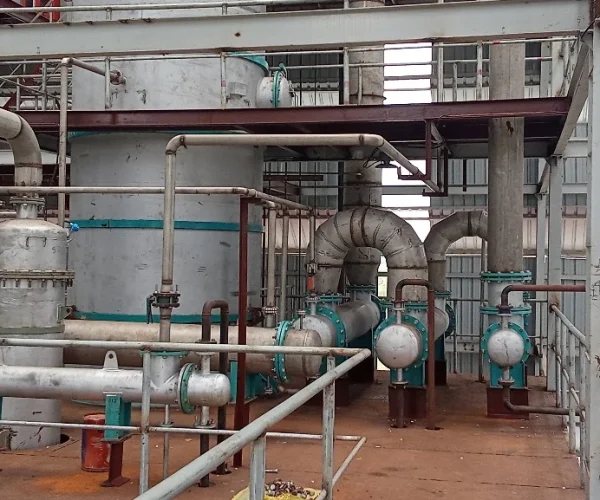
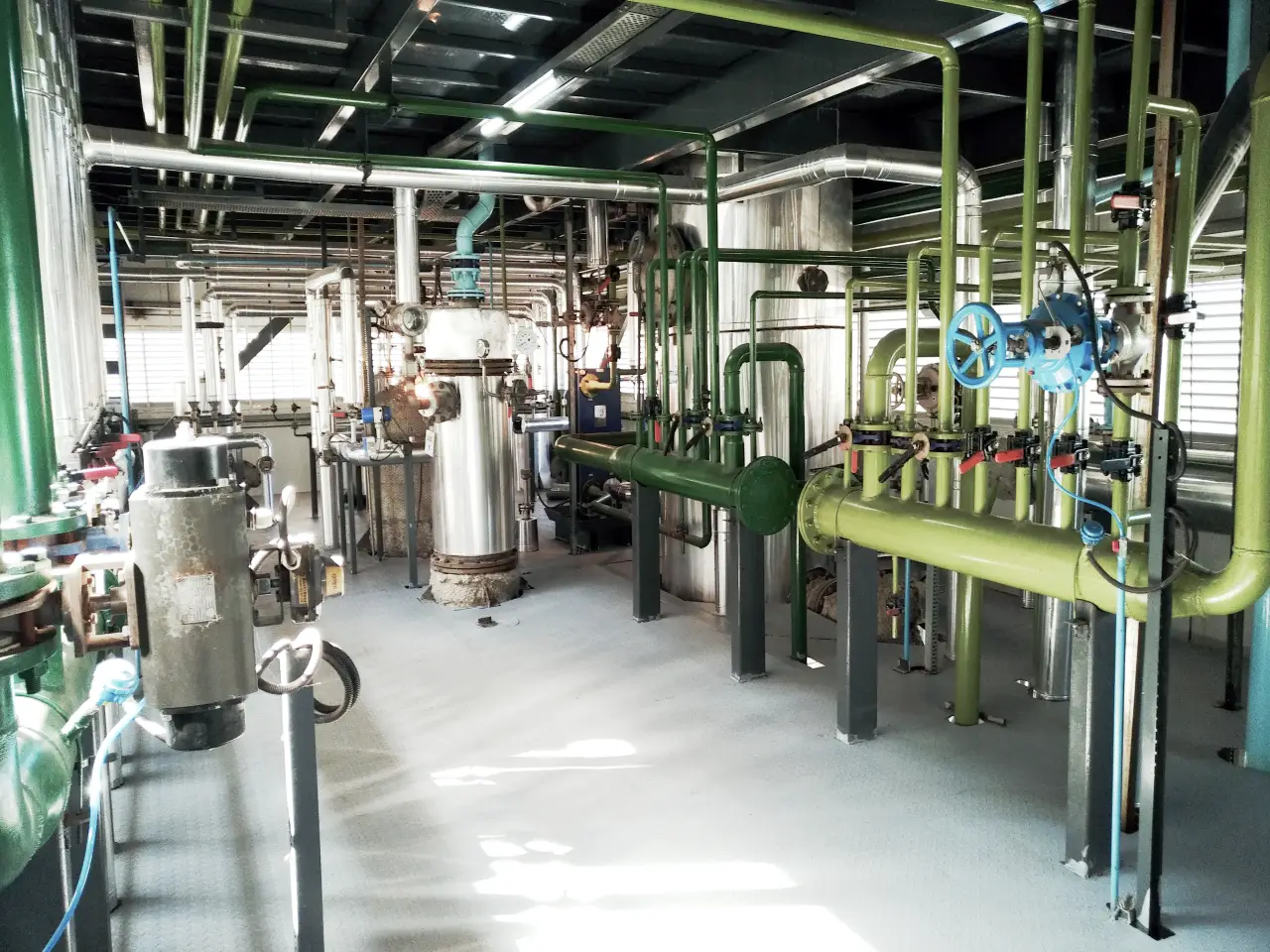
Muez Hest’s turnkey scope covers the full process train: feedstock pretreatment, deacidification, esterification, transesterification, glycerin separation and purification, biodiesel washing, distillation and methanol rectification. Every plant is engineered to maximise FAME yield and produce biodiesel that adheres to ASTM D6751, EN 14214 and IS 15607 – the three international quality standards that determine whether a fuel is actually usable in commercial diesel engines.

Scope runs end to end: feasibility and process design, detailed engineering, in-house manufacture, export logistics, civil execution supervision, mechanical erection, commissioning, operator training and post-commissioning technical support engineered in India for deployment across international markets.

Process Licensing and Design

Mass balance and yield modelling built around your actual feedstock mix, not a generic assumption.

In-house Manufacture

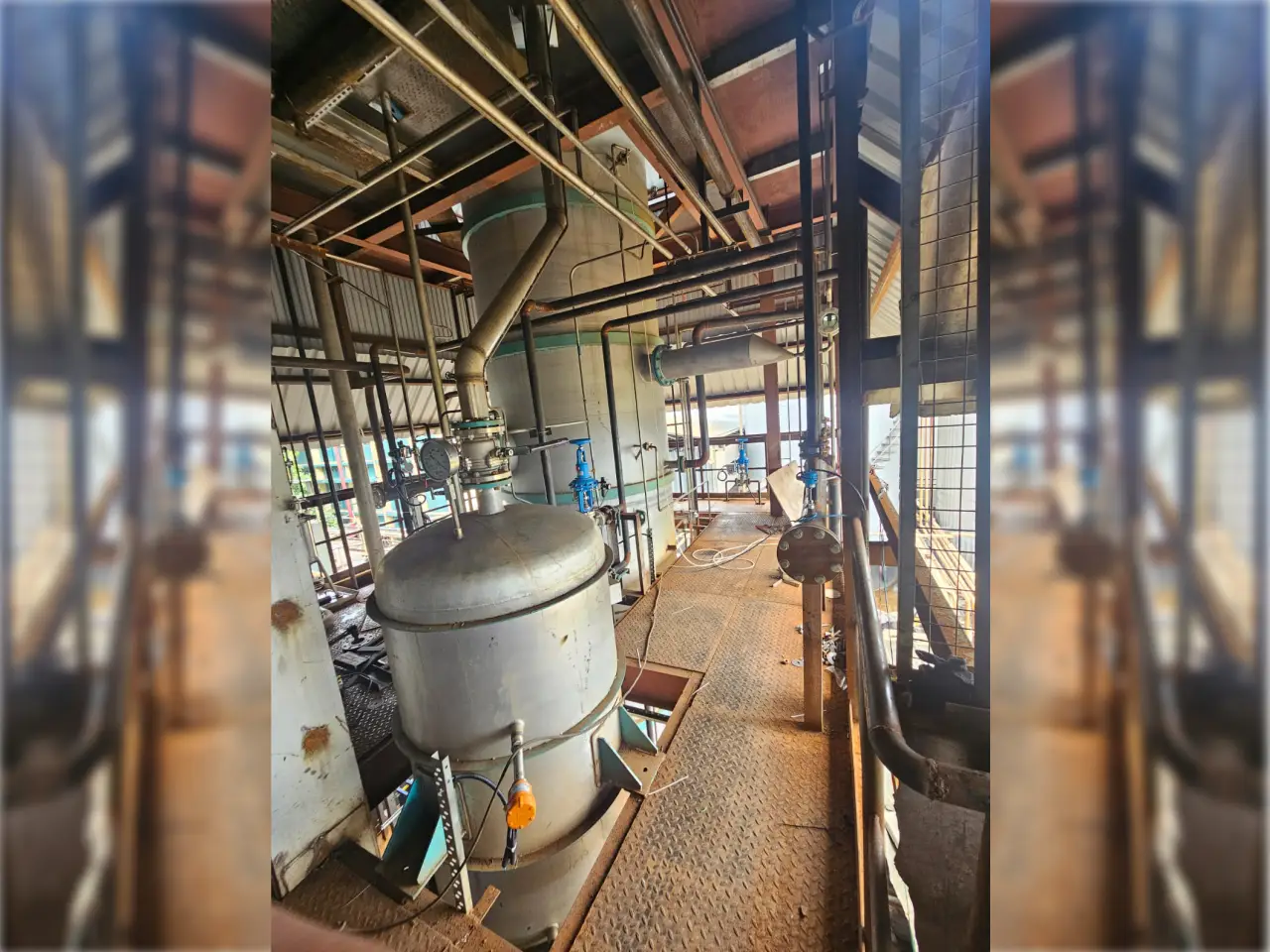
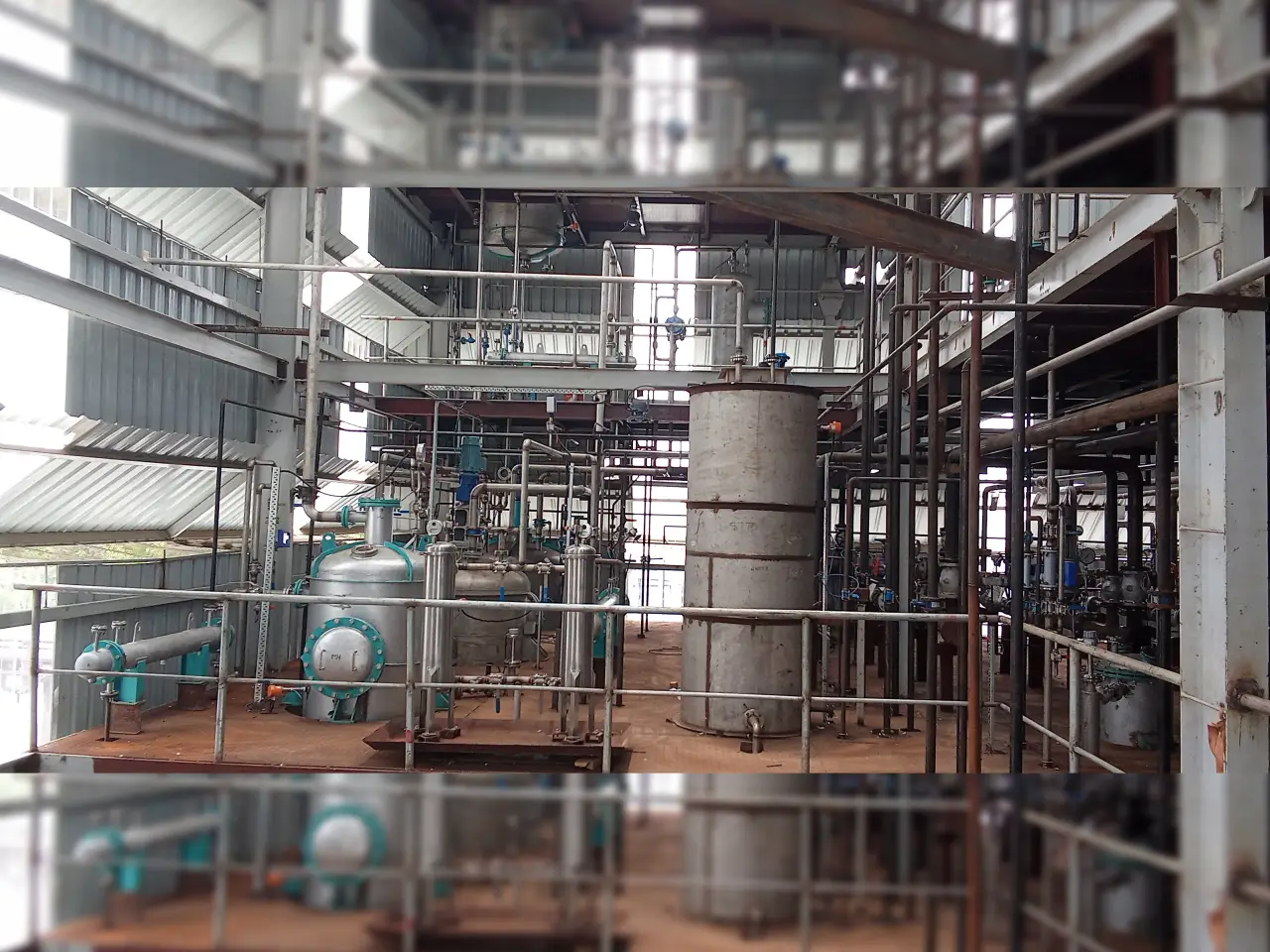
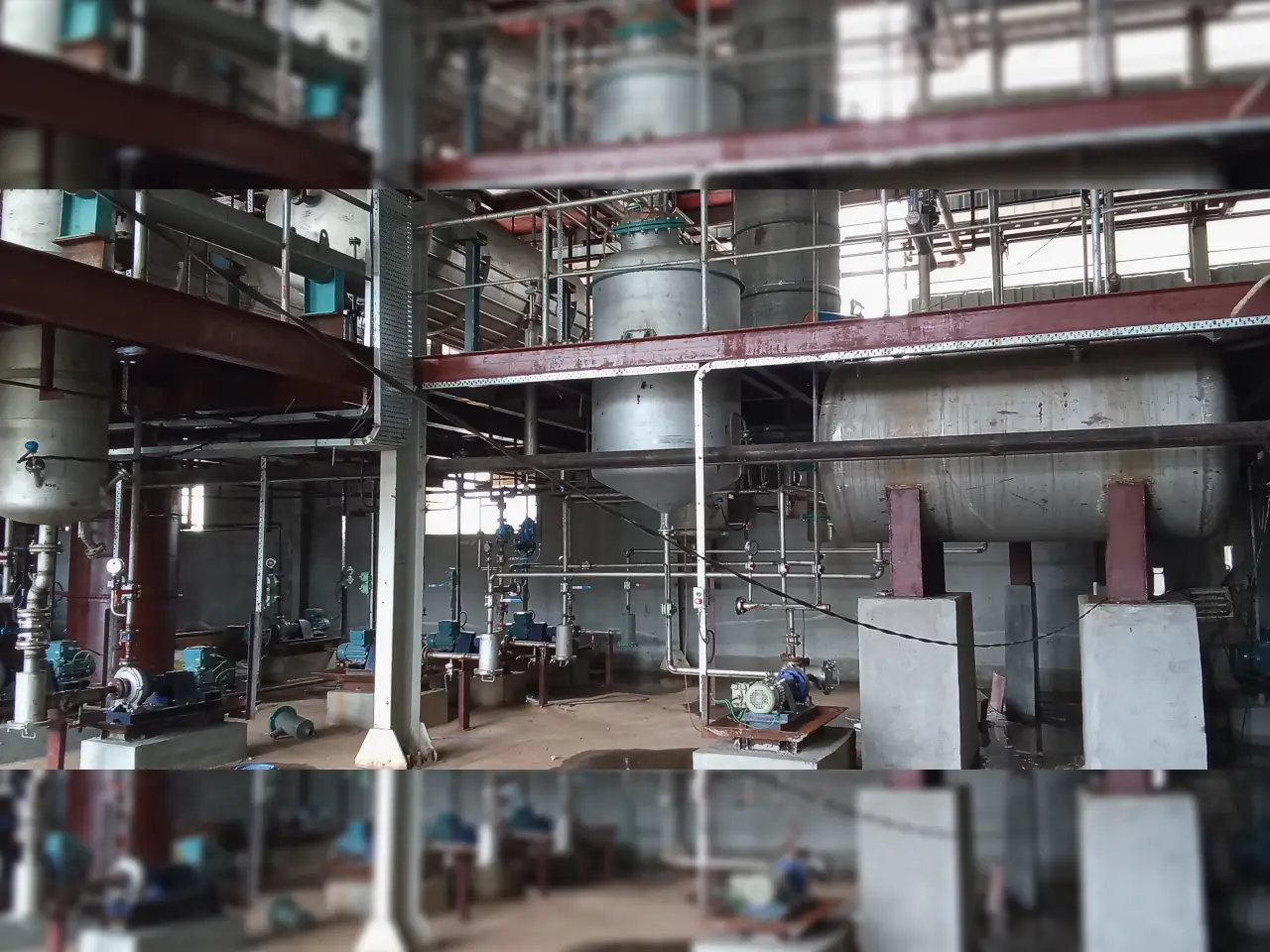
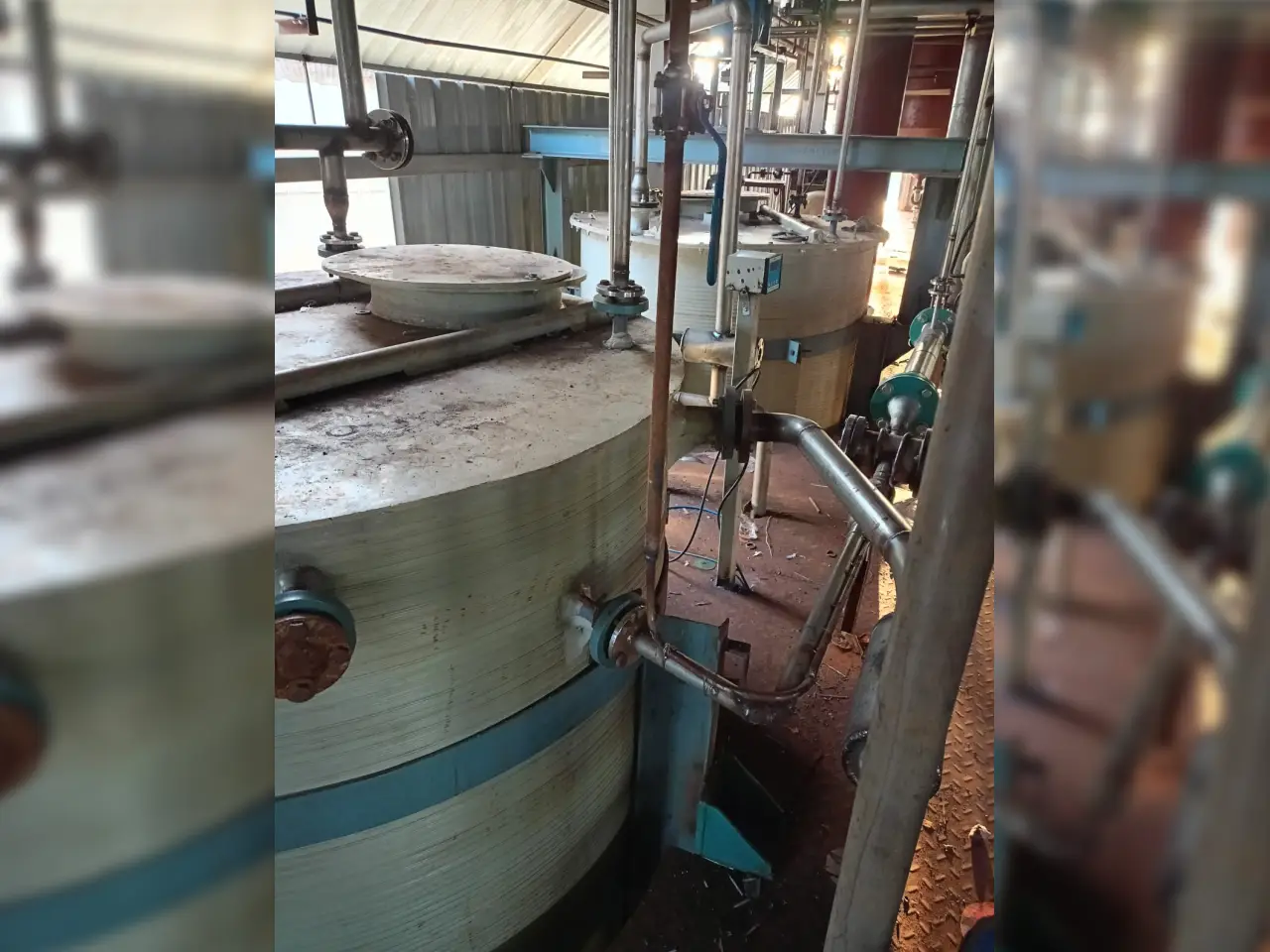
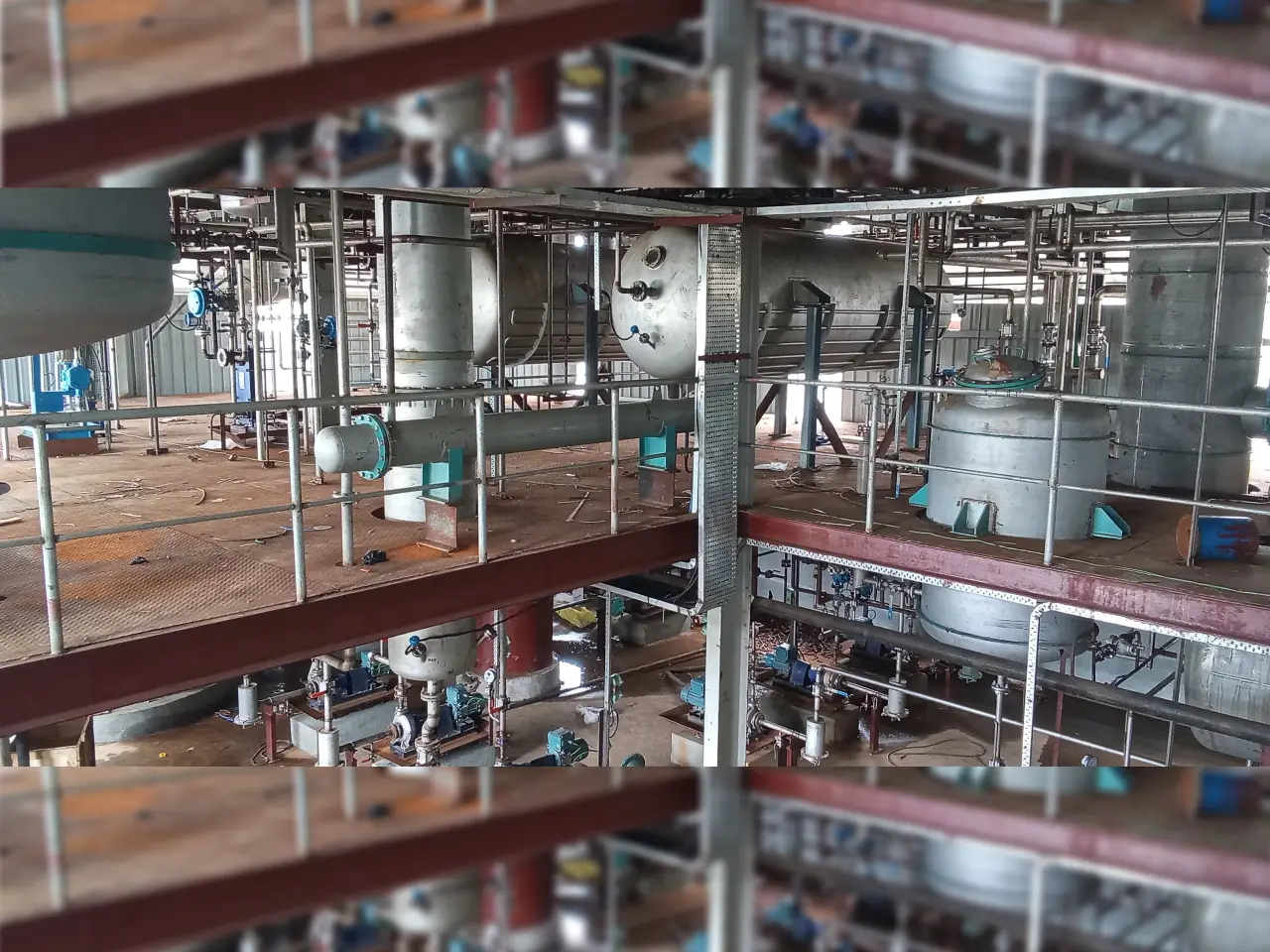
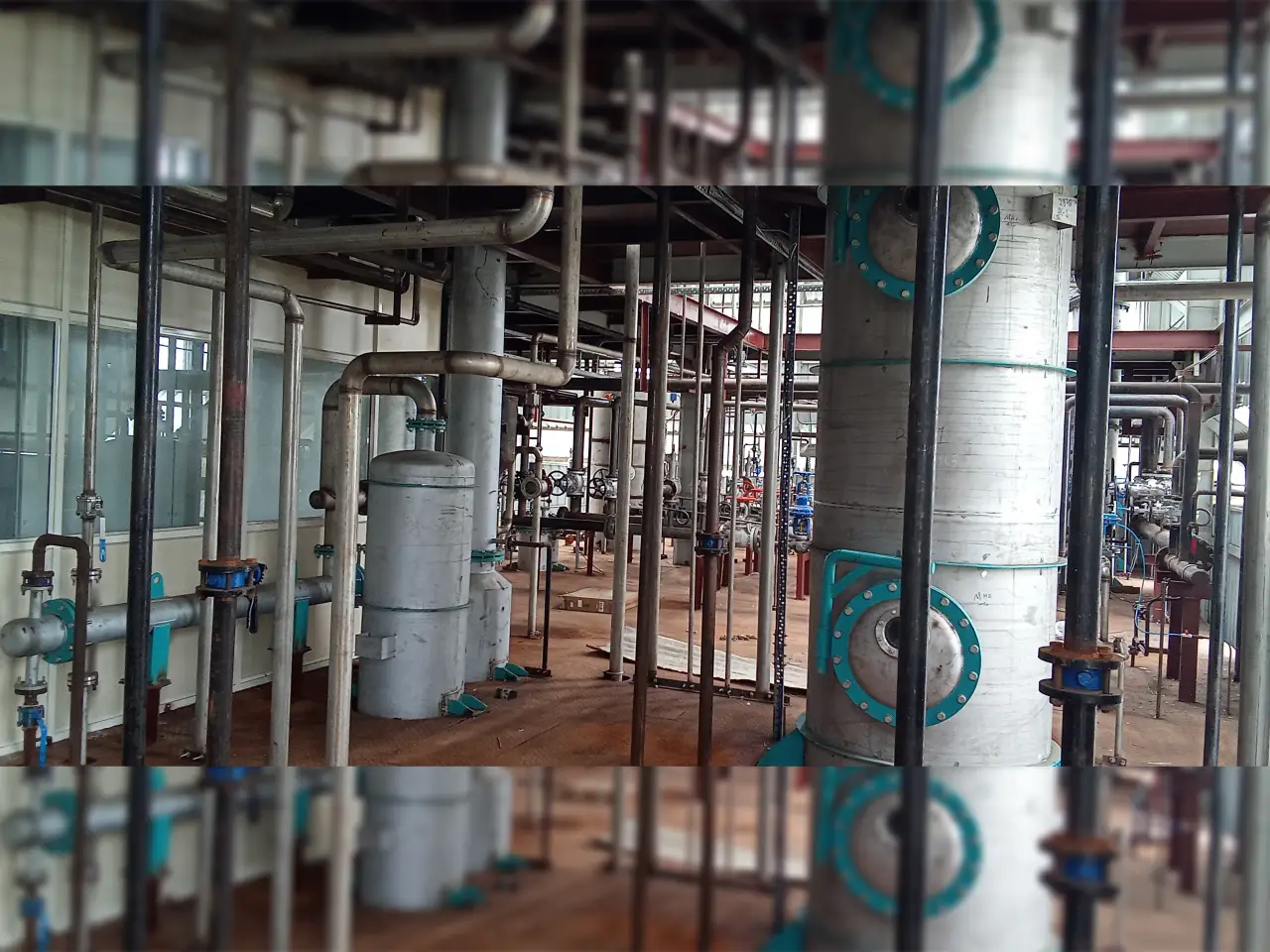
Pretreatment towers, reactors, separators and distillation columns fabricated in-house.

Turnkey Execution

Civil supervision, erection, piping, instrumentation and control system integration on site.

Commissioning and handover

Performance runs against ASTM/EN/IS specification, operator training, documented SOPs.

Glycerin Valorisation

Byproduct crude glycerine refined into a saleable Pharma-Grade output, not discarded as waste.

Standards & compliance

Fuel Quality Standards and Engineering Compliance

Biodiesel that doesn't meet fuel-quality specification isn't a discount product — it's unusable in a commercial diesel engine. Every Muez Hest plant is engineered to produce biodiesel against three internationally recognised standards.

  • ASTM D6751 The US biodiesel fuel standard, governing flash point, water content, acid number and oxidation stability.
  • EN 14214 The European biodiesel standard, the reference specification for FAME sold across EU markets.
  • IS 15607 The Indian biodiesel standard, and the baseline BIS certification required to register as a supplier with India's oil marketing companies.
  • BS100 grade output Muez Hest's branded 100% biodiesel grade, engineered to meet all three standards simultaneously rather than the lowest common denominator.
  • Glycerin byproduct compliance Pharma-Grade Glycerine refined to 98.7%+ purity, suitable for pharmaceutical, cosmetic and industrial buyers.

Fuel quality specification

The Specification Every Biodiesel Refinery Plant Has to Clear

A biodiesel refinery plant exists to hit one target: fuel that meets international specification, not just fuel that burns. The table below is the published EN 14214 / IS 15607:2022 specification — the regulatory bar, not a proprietary Muez Hest claim. Every compliant biodiesel plant has to deliver against these figures; Muez Hest engineers to clear them with margin.

PropertySpecification (EN 14214 / IS 15607:2022)
Density @ 15°C860 – 900 kg/m³
Viscosity @ 40°C3.5 – 5.0 mm²/s
Flash Point120°C minimum
Pour PointCountry specific
Alcohol Content0.2% maximum
Water500 ppm maximum
Sulphur10 ppm maximum
Ester Content96.5% minimum
Acid Value0.5 mg KOH/g maximum
Total Glycerol0.25% maximum
Phosphorus10 ppm maximum
Cetane Number51 minimum
Total Contamination24 ppm maximum

Published EN 14214 / IS 15607:2022 standard, cross-verified against two independent industry sources. Not Muez Hest-proprietary data.

Process Parameters by Unit

Process Unit Verified Operating Parameters Output Specification
Pretreatment Chemical neutralization; removes phosphorus, sulfur, moisture, colour pigments Super-refined oil, ready for downstream deacidification
Deacidification Low-temperature, high vacuum distillation tower FFA reduced to below 0.1%
Esterification Methanol + alkaline catalyst or enzyme, on pretreated triglycerides FAME and crude glycerine, feeding the BS100 route
Transesterification Molecular Reactor technology, alkaline or enzymatic catalyst Reduced reaction time, minimal soap formation
Glycerin Separation Gravity settling tank, phase decanting Crude glycerine (lower layer) isolated from biodiesel (upper layer)
Glycerin Purification Methanol distillation recovery → dehydration → acid/base treatment → filtration Crude glycerine (40–60% glycerol) refined toward pharma grade
Glycerin Evaporation, Distillation & Bleaching 1st effect evaporator ~130°C · steam 8–10 bar · activated fixed-bed carbon bleaching 98.7%+ purity Pharma-Grade Glycerine
Biodiesel Washing Water / water-alcohol wash, pH neutralization, vacuum or heat drying Residual methanol, soap and catalyst removed
Biodiesel Distillation Horizontal pressurized separators, reduced-pressure distillation column BS100 grade biodiesel
Methanol Rectification Fractional distillation by boiling-point separation High-purity methanol recovered for reuse

The process chain

Biodiesel Process Units We Manufacture

A complete biodiesel facility is assembled from the ten units below, in sequence. Each can be supplied standalone or integrated into a full turnkey line.

— Raw material strategy

Multi-Feedstock Operational Flexibility

Feedstock is the largest line in a biodiesel plant's operating cost, and availability shifts with season and region. Muez Hest plants are engineered across two feedstock categories, so operators aren't locked to a single input.

Low FFA

  • Used cooking oil (UCO)
  • Tallow and animal fats
  • Crude palm oil (CPO)
  • Soybean oil
  • Sunflower oil
  • Palm stearin

High FFA

  • Waste oil
  • High-FFA vegetable oil
  • Free fatty acid distillate
  • Acid oil

High-FFA feedstock is precisely what most conventional transesterification routes struggle with the free fatty acids react with catalyst to form soap instead of biodiesel. That's why deacidification and esterification exist as dedicated upstream stages in the Muez Hest process train, rather than an afterthought bolted onto a low-FFA-only plant.

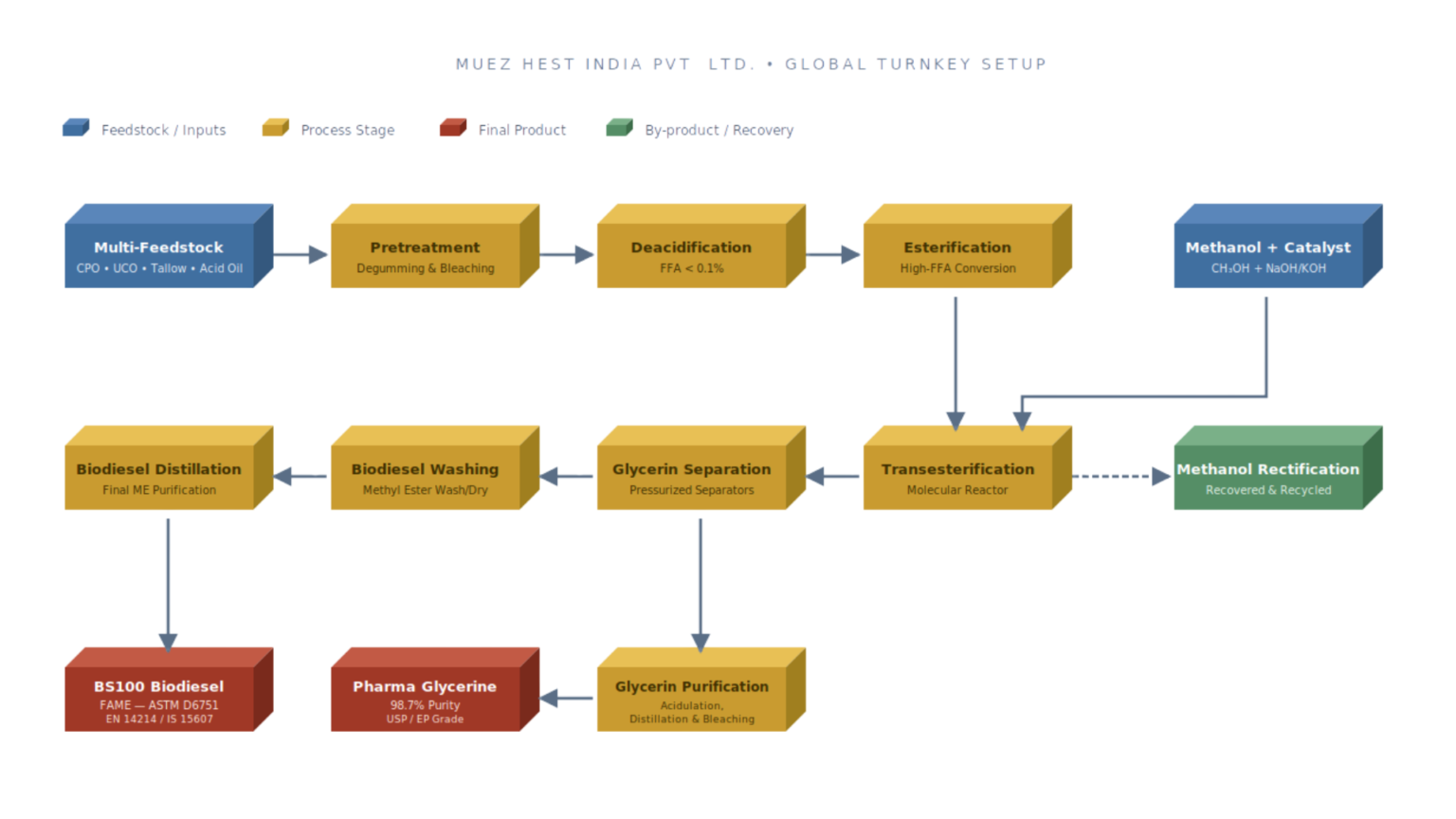
BioDiesel Plant Process

Industrial process flowchart of a Biodiesel Plant by Muez Hest. Shows a 10-step engineered process utilizing Multi-Feedstock (CPO, UCO, Tallow, Acid Oil) mixed with Methanol and Catalyst through Pretreatment, Deacidification, Esterification, Transesterification, Glycerin Separation, Washing and Distillation to produce BS100 Biodiesel and Pharma Glycerine.

Why Choose Muez Hest for Your Biodiesel Plant Manufacturing

Selecting a biodiesel plant manufacturer is not a one-time equipment purchase – it’s a 15 to 20 year operating commitment. The plant you commission has to keep meeting fuel-quality specification, keep running on whatever feedstock is actually available that season and keep paying back capital long after the sales conversation is over. That’s the standard Muez Hest is built to be evaluated against.


One engineering team across the entire oils-to-fuel chain
Muez Hest designs solvent extraction, edible oil refining, oleochemical and biodiesel plants under a single in-house engineering practice, not as separate business lines. A biodiesel line added to an existing extraction or refining facility is engineered by people who already understand the upstream asset, not handed to a subcontractor learning it from scratch.


Feedstock flexibility engineered in, not bolted on
Dedicated deacidification and esterification stages mean high-FFA feedstock – waste oil, acid oil, distillate isn’t a limitation, it’s a planned input.


Byproduct treated as revenue, not waste
Crude glycerine refined to 98.7%+ Pharma-Grade rather than sold at technical-grade prices.


Standards engineered from commissioning, not retrofitted later
ASTM D6751, EN 14214 and IS 15607 compliance built into the process design from day one, including the BIS certification that determines OMC eligibility in India.


Turnkey accountability, start to finish
Feasibility, detailed engineering, in-house fabrication, export logistics, civil supervision, erection, commissioning and operator training under one contract, not stitched together across multiple vendors.


A track record built across every inhabited continent
450+ projects and 30+ years of oils and fuels engineering, commissioned across Asia, Africa, Europe, the Americas and the Middle East.

Biodiesel Plant Requirements

Whether the scope is a single deacidification tower, a complete transesterification line, or a full turnkey plant with glycerin valorisation, our engineering team can work through feedstock, capacity and standards compliance with you before any commitment.

India's Position in Global Biodiesel Plant Manufacturing

India’s decades as the world’s largest vegetable oil importer built genuine engineering depth in oils and fats processing – deacidification, high-vacuum distillation, glycerin handling the exact core skillset a biodiesel plant demands, refined at industrial scale long before biodiesel itself became a priority. That depth typically comes at a lower installed cost than sourcing from a European process licensor, without trading away process capability, which matters directly to project ROI in price-sensitive markets across Southeast Asia, Africa and Latin America. India’s own National Policy on Biofuels and its role in the Global Biofuel Alliance keep domestic manufacturers continuously engineering real, operating plants rather than only exporting designs, so the engineering is pressure-tested before it ships. Geographic proximity and English-language technical documentation shorten the distance to buyers across these same regions. Muez Hest carries all of this further: 30+ years and 450+ commissioned plants turning that national capability into a working, ASTM/EN/IS-compliant plant on your site, not just a design on paper.

Turnkey Solutions

Global Installation

Trusted worldwide, Muez Hest provides end-to-end turnkey solutions delivering fully operational plants from design to delivery.

Muez Hest Global client reach map

We worked with Global clients

Read More

Your Trusted Biodiesel Plant Manufacturer in India : Revolutionizing Renewable Fuel — Globally


Advanced Biodiesel Manufacturing Plants & Turnkey Setup : Powering a Greener Tomorrow


As India accelerates toward a sustainable energy future, the global demand for renewable fuels like biodiesel is growing exponentially. At Muez Hest — a leading biodiesel plant manufacturer headquartered in India — we sit at the forefront of this green revolution, offering cutting-edge biodiesel plants in India solutions engineered for international markets. Our expertise lies in designing, manufacturing and commissioning advanced biodiesel manufacturing plant facilities that efficiently convert multi-feedstock inputs into high-quality, ASTM, EN and IS-compliant fuel.


The Muez Hest Advantage : Trusted Global Biodiesel Plant Manufacturers in India


Choosing the right partner for your biodiesel manufacturing plant in India is mission-critical. Muez Hest stands out among biodiesel plant manufacturers in India because of our commitment to innovation, efficiency and sustainability — backed by 30+ years of engineering heritage and turnkey installations across multiple continents. We specialize in robust, multi-feedstock biodiesel plants capable of processing vegetable oils (soybean, palm, sunflower, used cooking oil), animal fats, free fatty acid distillate and acid oil. Every plant is meticulously engineered to maximize FAME yield and ensure resulting biodiesel adheres to stringent international quality standards — ASTM D6751, EN 14214 and IS 15607.


Our comprehensive turnkey scope covers the full process train: feedstock pretreatment plant, deacidification, esterification, transesterification, glycerin separation and purification, biodiesel washing, biodiesel distillation and methanol rectification. We also offer advanced solutions for glycerin valorisation — converting crude glycerin byproduct into Pharma-Grade Glycerine (98.7% purity), adding a significant secondary revenue stream. Partner with Muez Hest to invest in a sustainable future, reduce your carbon footprint and contribute to India's energy independence — with technology validated across global installations.


Seamless Biodiesel Plant Setup : From Concept to International Commissioning


Embarking on a new venture requires reliable support. Muez Hest simplifies the entire biodiesel plant setup process — from initial consultation and feasibility studies to detailed engineering, equipment manufacturing, installation and commissioning. As experienced biodiesel machinery manufacturers in India with international project experience, we provide cutting-edge technology and robust machinery built for longevity and peak performance. Our integrated approach ensures a smooth transition from project inception to a fully operational biodiesel manufacturing plant — whether your facility is in India, Southeast Asia, Africa, Latin America or the Middle East.


Our commitment extends beyond equipment delivery: we offer comprehensive operator training, ongoing technical support and process optimization services to ensure your biodiesel manufacturing plant operates efficiently for decades. Whether you're scoping a small-scale pilot facility or a large industrial-grade biodiesel manufacturing plant, Muez Hest delivers tailored solutions calibrated to your specific production goals, feedstock realities and budget. Invest in a Muez Hest biodiesel plant in India and join the growing global community of operators building a cleaner, more energy-independent future.


Reach Out to -  Muez Hest India Pvt.Ltd !


Contact us on +91 2240050543 or Request a quote today to explore how we can support your next Bio Diesel Plant manufacturing and setup.

Buyer questions

Frequently Asked Questions

The questions procurement and technical teams most often raise before a biodiesel plant enquiry →

A biodiesel plant is an industrial facility that converts vegetable oils, animal fats and used cooking oil into biodiesel, known technically as Fatty Acid Methyl Ester (FAME), through a linked sequence of pretreatment, deacidification, esterification, transesterification and purification stages, producing biodiesel fuel and refined glycerin as a co-product.

Why is feedstock quality the biggest risk in a biodiesel project?


How do I choose the right process for high-FFA feedstocks like UCO or acid oil?


Why does methanol recovery matter for plant economics, not just process design?


What happens if the glycerine byproduct isn’t handled well?


How do I know the biodiesel will actually meet fuel-quality specification?


What feedstocks can a Muez Hest biodiesel plant process?

Plants are engineered for two feedstock categories. Low FFA feedstock includes used cooking oil, tallow, and vegetable oils such as CPO, soybean, sunflower and palm stearin. High FFA feedstock includes waste oil, high-FFA vegetable oil, free fatty acid distillate and acid oil. Multi-feedstock capability lets operators switch inputs as raw material prices move.

How long does it take to commission a biodiesel plant?

Timelines depend on capacity, scope and site readiness. A typical turnkey project moves through feasibility and process design, detailed engineering, fabrication, shipment, erection, and finally commissioning with operator training. Civil readiness and utility availability at site are usually the largest variables in the schedule.

Does Muez Hest handle installation and commissioning overseas?

Yes. Scope covers export logistics, international code compliance, civil execution supervision, mechanical erection, commissioning, operator training and post-commissioning technical support, with biodiesel plants engineered in India for deployment across Southeast Asia, Africa, Latin America and the Middle East.

What determines the cost of a biodiesel plant?

Cost is driven by capacity, the number of process units in scope, feedstock flexibility requirements, degree of automation, the standards the plant must certify to, and whether the scope is equipment supply only or full turnkey execution with civil works and utilities. A budgetary estimate is prepared after the feasibility discussion.

Can a biodiesel plant integrate with an existing oil processing facility?


12 — Next step

Discuss Your Biodiesel Plant Requirement

Whether the scope is a single deacidification tower, a complete transesterification line, or a full turnkey plant with glycerin valorisation, our engineering team can work through feedstock, capacity and standards compliance with you before any commitment.

Add a downloadable lead magnet here. A gated process flow diagram or capacity specification sheet is the highest-converting asset for this kind of procurement decision. Also extend the enquiry form’s country dropdown – the same India/Australia/USA-only gap flagged on the oleochemicals page applies here too, and is actively turning away qualified international enquiries from exactly the Southeast Asia, Africa and Latin America markets this page targets.

Most biodiesel problems don’t start in the reactor, they start in the raw material. Feedstock with high free fatty acid content reacts with catalyst to form soap instead of biodiesel, which can stall conversion and contaminate the glycerine byproduct. That’s why Muez Hest treats feedstock conditioning as a dedicated stage rather than a footnote: deacidification reduces FFA to below 0.1 percent before the feedstock ever reaches the transesterification reactor.

A standard single-stage transesterification route struggles with high-FFA inputs such as used cooking oil, acid oil and free fatty acid distillate. Muez Hest routes these through dedicated pretreatment, deacidification and esterification stages before transesterification, rather than forcing difficult feedstock through a process designed for clean virgin oil. Feedstock flexibility isn’t a technical bonus here, it’s what determines whether the plant can actually run on the raw material available in your market.

Methanol is a direct, ongoing cost on every batch. A poorly designed recovery system increases fresh methanol consumption, utility load and downstream purification cost, all of which erode margin on every tonne produced. Muez Hest’s methanol rectification plant recovers and purifies methanol from both the transesterification and washing stages through fractional distillation, so it’s reused in production rather than repeatedly bought and lost.

Poorly handled glycerine is either a disposal cost or, at best, a low-value technical-grade sale. Crude glycerine leaving the plant typically contains 40 to 60 percent glycerol mixed with methanol, water and salts. Muez Hest’s purification, evaporation, distillation and activated carbon bleaching train refines this to 98.7 percent purity Pharma-Grade Glycerine, turning a byproduct most plants treat as waste into a second saleable output.

How do I know the biodiesel will actually meet fuel-quality specification?


What feedstocks can a Muez Hest biodiesel plant process?

Plants are engineered for two feedstock categories. Low FFA feedstock includes used cooking oil, tallow, and vegetable oils such as CPO, soybean, sunflower and palm stearin. High FFA feedstock includes waste oil, high-FFA vegetable oil, free fatty acid distillate and acid oil. Multi-feedstock capability lets operators switch inputs as raw material prices move.

How long does it take to commission a biodiesel plant?

Timelines depend on capacity, scope and site readiness. A typical turnkey project moves through feasibility and process design, detailed engineering, fabrication, shipment, erection, and finally commissioning with operator training. Civil readiness and utility availability at site are usually the largest variables in the schedule.

Does Muez Hest handle installation and commissioning overseas?

Yes. Scope covers export logistics, international code compliance, civil execution supervision, mechanical erection, commissioning, operator training and post-commissioning technical support, with biodiesel plants engineered in India for deployment across Southeast Asia, Africa, Latin America and the Middle East.

What determines the cost of a biodiesel plant?

Cost is driven by capacity, the number of process units in scope, feedstock flexibility requirements, degree of automation, the standards the plant must certify to, and whether the scope is equipment supply only or full turnkey execution with civil works and utilities. A budgetary estimate is prepared after the feasibility discussion.

Can a biodiesel plant integrate with an existing oil processing facility?


12 — Next step

Discuss Your Biodiesel Plant Requirement

Whether the scope is a single deacidification tower, a complete transesterification line, or a full turnkey plant with glycerin valorisation, our engineering team can work through feedstock, capacity and standards compliance with you before any commitment.

Add a downloadable lead magnet here. A gated process flow diagram or capacity specification sheet is the highest-converting asset for this kind of procurement decision. Also extend the enquiry form’s country dropdown – the same India/Australia/USA-only gap flagged on the oleochemicals page applies here too, and is actively turning away qualified international enquiries from exactly the Southeast Asia, Africa and Latin America markets this page targets.

Ask for the numbers, not just the standard’s name. Muez Hest plants are engineered to produce BS100 grade biodiesel against the full EN 14214 / IS 15607 specification – density, viscosity, flash point, sulphur, cetane number and nine other parameters not just a general claim of ASTM or EN compliance.

Plants are engineered for two feedstock categories. Low FFA feedstock includes used cooking oil, tallow, and vegetable oils such as CPO, soybean, sunflower and palm stearin. High FFA feedstock includes waste oil, high-FFA vegetable oil, free fatty acid distillate and acid oil. Multi-feedstock capability lets operators switch inputs as raw material prices move.

How long does it take to commission a biodiesel plant?

Timelines depend on capacity, scope and site readiness. A typical turnkey project moves through feasibility and process design, detailed engineering, fabrication, shipment, erection, and finally commissioning with operator training. Civil readiness and utility availability at site are usually the largest variables in the schedule.

Does Muez Hest handle installation and commissioning overseas?

Yes. Scope covers export logistics, international code compliance, civil execution supervision, mechanical erection, commissioning, operator training and post-commissioning technical support, with biodiesel plants engineered in India for deployment across Southeast Asia, Africa, Latin America and the Middle East.

What determines the cost of a biodiesel plant?

Cost is driven by capacity, the number of process units in scope, feedstock flexibility requirements, degree of automation, the standards the plant must certify to, and whether the scope is equipment supply only or full turnkey execution with civil works and utilities. A budgetary estimate is prepared after the feasibility discussion.

Can a biodiesel plant integrate with an existing oil processing facility?


12 — Next step

Discuss Your Biodiesel Plant Requirement

Whether the scope is a single deacidification tower, a complete transesterification line, or a full turnkey plant with glycerin valorisation, our engineering team can work through feedstock, capacity and standards compliance with you before any commitment.

Add a downloadable lead magnet here. A gated process flow diagram or capacity specification sheet is the highest-converting asset for this kind of procurement decision. Also extend the enquiry form’s country dropdown – the same India/Australia/USA-only gap flagged on the oleochemicals page applies here too, and is actively turning away qualified international enquiries from exactly the Southeast Asia, Africa and Latin America markets this page targets.

Timelines depend on capacity, scope and site readiness. A typical turnkey project moves through feasibility and process design, detailed engineering, fabrication, shipment, erection, and finally commissioning with operator training. Civil readiness and utility availability at site are usually the largest variables in the schedule.

Yes. Scope covers export logistics, international code compliance, civil execution supervision, mechanical erection, commissioning, operator training and post-commissioning technical support, with biodiesel plants engineered in India for deployment across Southeast Asia, Africa, Latin America and the Middle East.

Cost is driven by capacity, the number of process units in scope, feedstock flexibility requirements, degree of automation, the standards the plant must certify to and whether the scope is equipment supply only or full turnkey execution with civil works and utilities. A budgetary estimate is prepared after the feasibility discussion.

Yes. A biodiesel line is frequently added alongside an existing solvent extraction, edible oil refining or oleochemical facility, using acid oil, soapstock or other side streams as feedstock. Muez Hest engineers the tie-in points and utility interfaces to work with the installed base.

Go To Top